
Governance in Practice
The Board of Trustees, Secretaries, and Research Advisory Board provide leadership, strategic direction, and oversight, ensuring strong governance and long-term sustainability in line with the intellectual legacy of Professor Tony Allan.
Board of Trustees
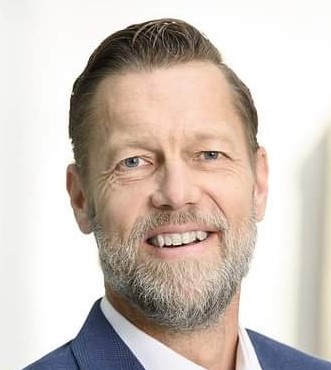
Anders Jägerskog
Anders Jägerskog, Ph.D., is the Program Manager of the Cooperation on International Waters in Africa (CIWA) Trust Fund at the World Bank and was the World Bank’s focal point for Transboundary Waters. His previous roles include Counsellor for regional water resources at the Swedish Embassy in Amman, Director of Knowledge Services at the Stockholm International Water Institute, and manager of the UNDP Shared Waters Partnership. He is also an Associate Professor at the University of Gothenburg and has worked with the Swedish Ministry for Foreign Affairs, the Embassy of Sweden in Amman and Nairobi, and Stockholm International Peace Research Institute (SIPRI). He completed his PhD on water negotiations in the Jordan River Basin in 2003 and has published over 100 works on global water issues.

Brendan Bromwich
Brendan Bromwich leads the systems group for Mott MacDonald’s Water Consultancy Division, and has pioneered the application of systems thinking to Integrated Water Management in England and Wales with projects for the Environment Agency, Greater London Authority, Water Resources South East, Ofwat and water companies. Previously he coordinated the Food Water Group at King’s College London and co-edited the Oxford Handbook of Food Water and Society while undertaking a PhD on environmental governance during periods of change under Tony Allan’s supervision. Formerly he worked for the UN on environment and peacebuilding and in private sector and NGO roles in the UK, Ireland, Middle East, Africa and Asia.
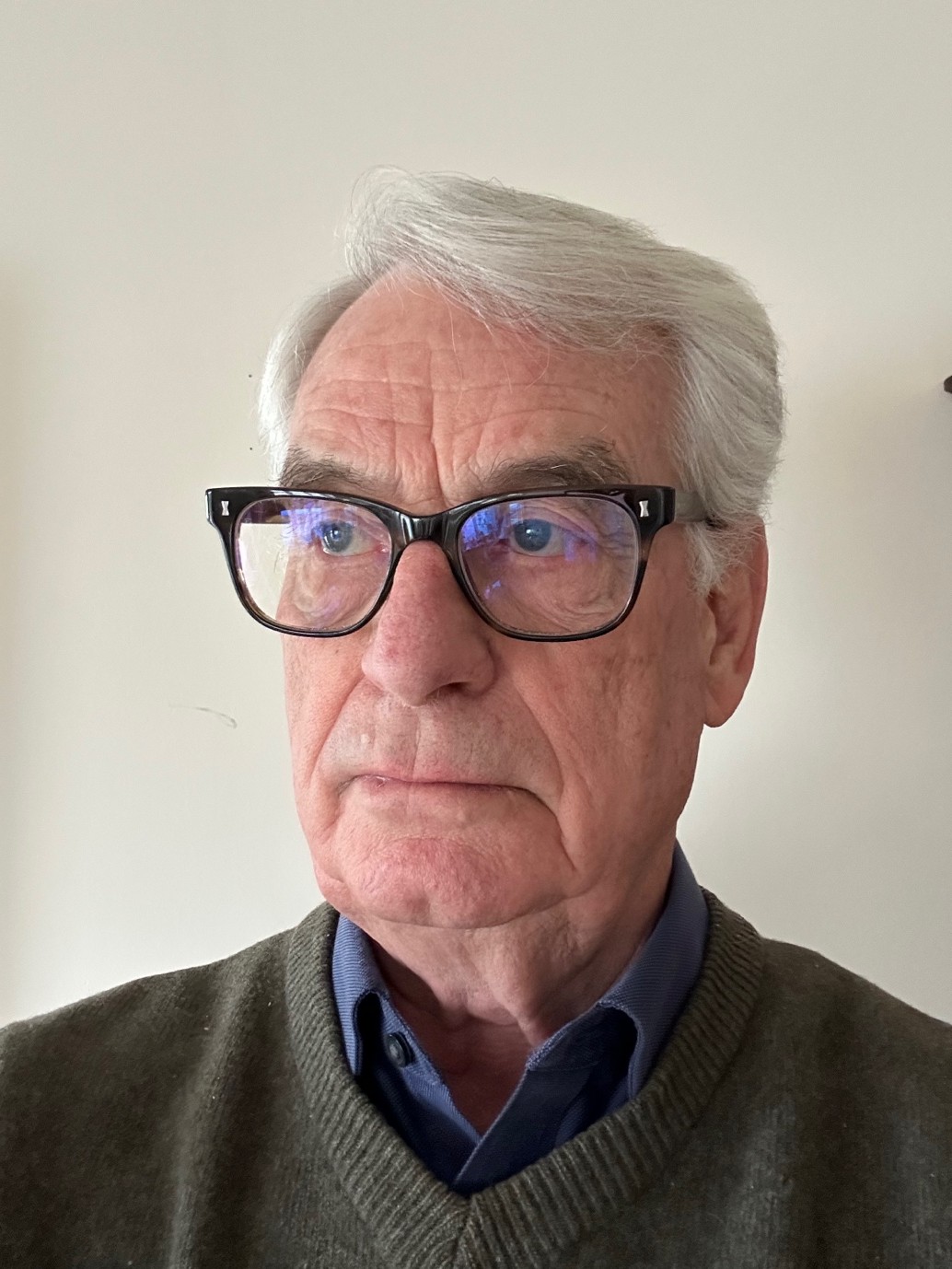
Chris Perry
Chris Perry graduated as a mechanical engineer and worked in the aerospace industry for several years before returning to university to study economics. He then worked for the World Bank for more than twenty years, mainly in India and the Middle East, and almost exclusively on irrigation and water-related issues. He was seconded to the International Water Management Institute for five years, and has published extensively on irrigation and water resources management. After retirement he was a visiting professor at Cranfield University, and Editor in Chief of Agricultural Water Management. He currently an Associate Editor of Irrigation and Drainage.

Elie Elhadj
Born in Aleppo, Elie studied at Damascus University, University of Pennsylvania, and New York University. Following a 30-year banking career in New York, Philadelphia, London, and Riyadh, he became a student again at the School of Oriental and African Studies, where he read Middle Eastern History and wrote a Ph.D. dissertation in 2005 under the supervision of Professor Tony Allan on water politics in Saudi Arabia and Syria.

Francesca Greco
Francesca Greco is an expert of international hydropolitics and Visiting Research Fellow. She served the United Nations as a gender and water officer for 8 years in Ghana and and Italy; Her last research as a Marie Sklodowska Curie Fellow focused on water footprint in Italy and irrigation in water-scaricty prone areas of her country. Currently works in Barcelona as a Senior Expert in virtual water analysis at EMEA (Euro Mediterranean Economists Association). Her last book is about water-credits, water-net zero, water compensation mechanisms and bluewashing.
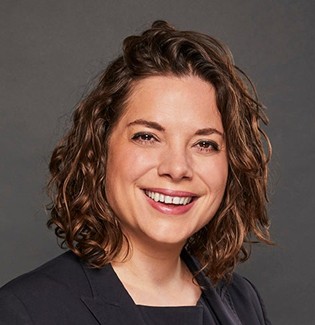
Karin Kirschner
Karin Kirschner is a corporate finance lawyer with over 20 years' experience in equity capital market transactions on the London Stock Exchange (AIM and main market) and public takeovers subject to the UK Code on Takeovers and Mergers. In addition, Karin provides guidance to Boards and Company Secretaries of listed/traded companies in respect of their continuing obligations whether arising by law or regulation, including wider corporate governance issues and stakeholder engagement, with a particular focus on sustainability and her clients' transition journeys.
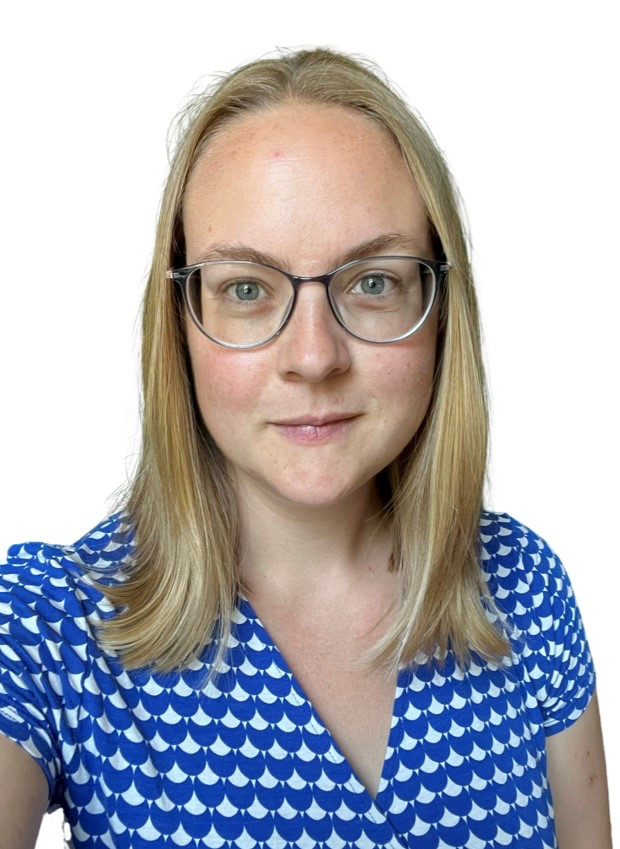
Liz Burlon
Liz Burlon is a Senior Manager at Accenture, where she supports water, energy and utilities organisations globally on sustainability, water security and technology transformation. She has more than a decade of experience bridging strategy and delivery, helping leaders translate climate and water risk into practical roadmaps, operating models and investment cases. Liz holds an MSc in Water: Science and Governance from King’s College London and has published on transboundary water management, virtual water, and the water–energy–food nexus.

Mark Mulligan
Mark Mulligan (Chairman of the Board of Trustees) is Professor of Physical and Environmental Geography at King’s College London and Honorary Fellow of UN Environment - World Conservation Monitoring Centre. He has worked with a large team of PhD students on a variety of topics in the areas of environmental spatial policy support, ecosystem service modelling and understanding environmental change. This research is at scales from local to global and with a particular emphasis on tropical (montane cloud) forests in Latin America and semi-arid drylands in the Mediterranean and Africa. He is developer of a range of open datasets at geodata.policysupport.org and open-access web-based spatial policy support systems at www.policysupport.org. These include hydroclimatic and land cover datasets and the WaterWorld hydrological and Co$tingNature ecosystem services modelling tools. His research involves fieldwork around the world and he is also developer of a range of open source, web-connected, instruments for environmental monitoring through the FreeStation and FreeSensor initiatives.
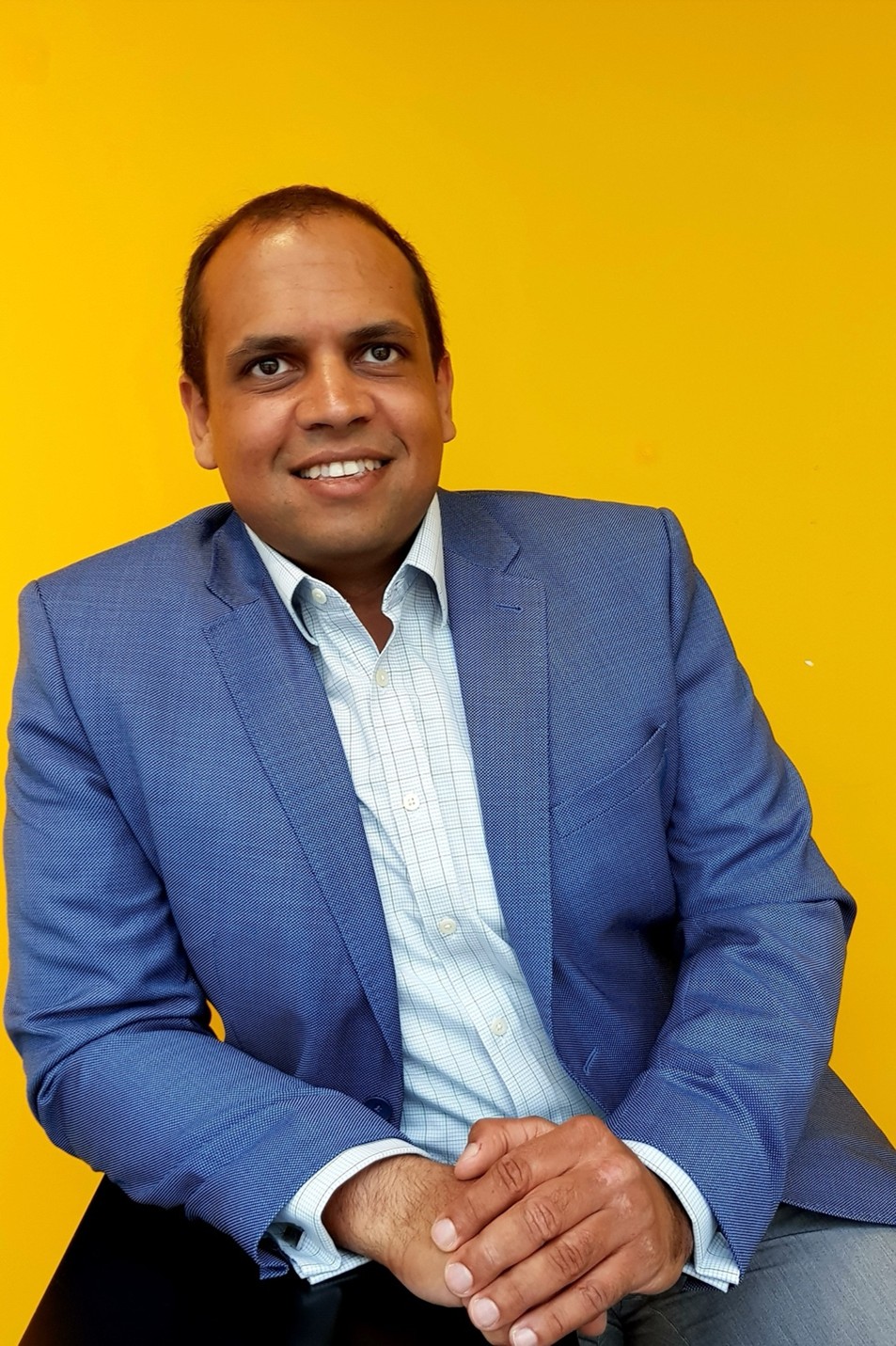
Matthew Agarwala
Professor Agarwala is Bennett Chair of Sustainable Finance at Sussex University’s Bennett Institute for Innovation & Policy Acceleration, Affiliate at the Bennett School of Public Policy (Cambridge), Senior Policy Fellow at Yale University’s Tobin Center for Economic Policy, and Honorary Professor at Scotland’s Rural College. His research covers natural and social capital, economic measurement, green finance, productivity, and wellbeing. Spanning sectors and disciplines, Matthew’s collaborators include ecologists, social anthropologists, members of UK Parliament, and Nobel Laureates in peace, medicine, physics, and chemistry. Matthew collaborates with the UN, World Bank, governments, and businesses to highlight nature-related financial risks. He is a sought-after public speaker and regular media contributor (BBC, Bloomberg, Channel 4 News, FT, Guardian, NYTimes, Reuters).
Michael Gilmont
Micheal Gilmont is an Environment Advisor at the United Nations Environment Program and the Office of the United Nations Special Coordinator for the Middle East Peace Process. He previously worked as a Research Fellow at the University of Oxford on water security related work in India, China and the Middle East. He managed the transdisciplinary Oxford Marting Program on Transboundary Resource Management, which focused on the Water-Energy nexus in the Jordan Basin Region. He has consulted for the World Bank’s Water Security Core Team, and various regional World Bank teams applying the water security framework. He completed his PhD under Tony working a comparative study the political landscapes shaping water policy transitions across high-capacity neoliberal political economies.
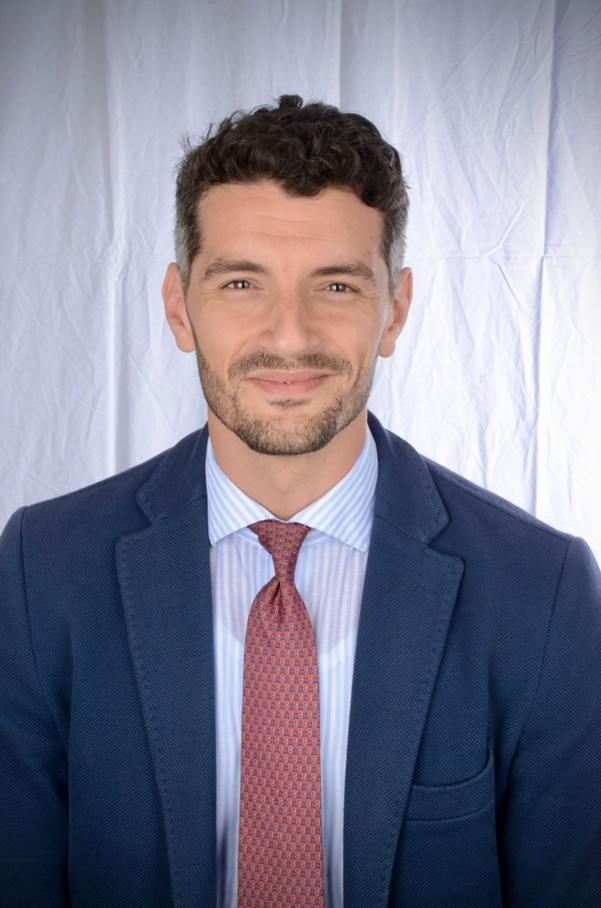
Musa McKee
Musa McKee is an agricultural policy expert specialising in water scarcity, food systems, and agricultural transformation in the Middle East and North Africa. He currently lectures online at the American University of Beirut and previously served as Lead Agricultural Policy Expert for USAID in North East Syria, where he developed a five-year agricultural strategy and a $53 million investment framework focused on crop diversification, subsidy reform, and water management. Musa has extensive field experience across Egypt, Jordan, Lebanon, Morocco, and Syria, working with organizations including the International Water Management Institute (IWMI), UN-ESCWA, the International Labour Organization, and the European Commission. His work combines political economy analysis with applied policy design, particularly in drought management, nature-based solutions to water scarcity, and agricultural market systems development.
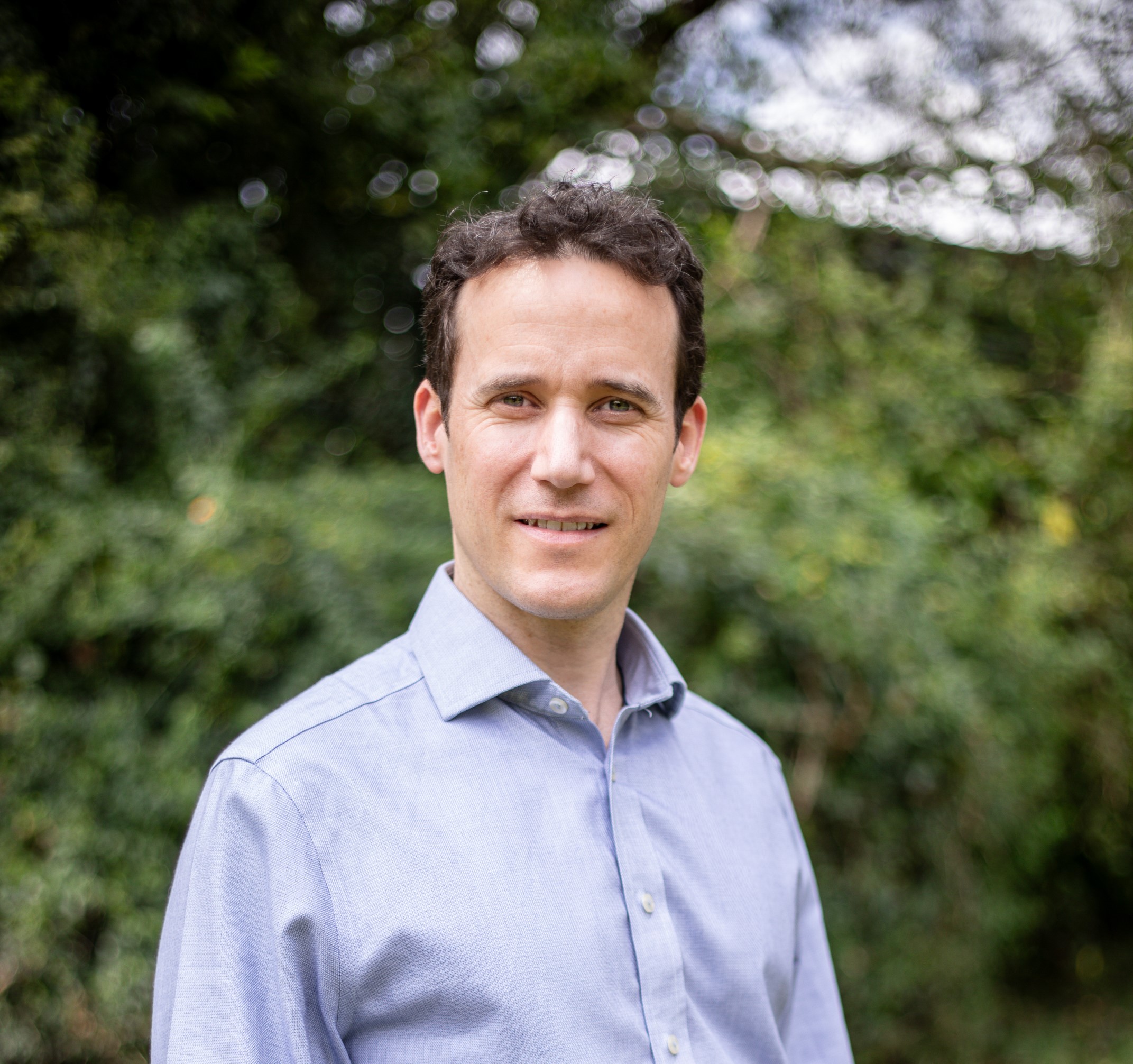
Nathanial Matthews
Nathanial Matthews has 20+ years' experience in transition finance, resilience, water, ecosystems and agriculture working across 50+ countries. He was previously the CEO of the Global Resilience Partnership, and has held senior roles at CGIAR and within the UN system. He serves on numerous boards and in advisory roles with SBTN, IPBES and the Earthshot Prize.
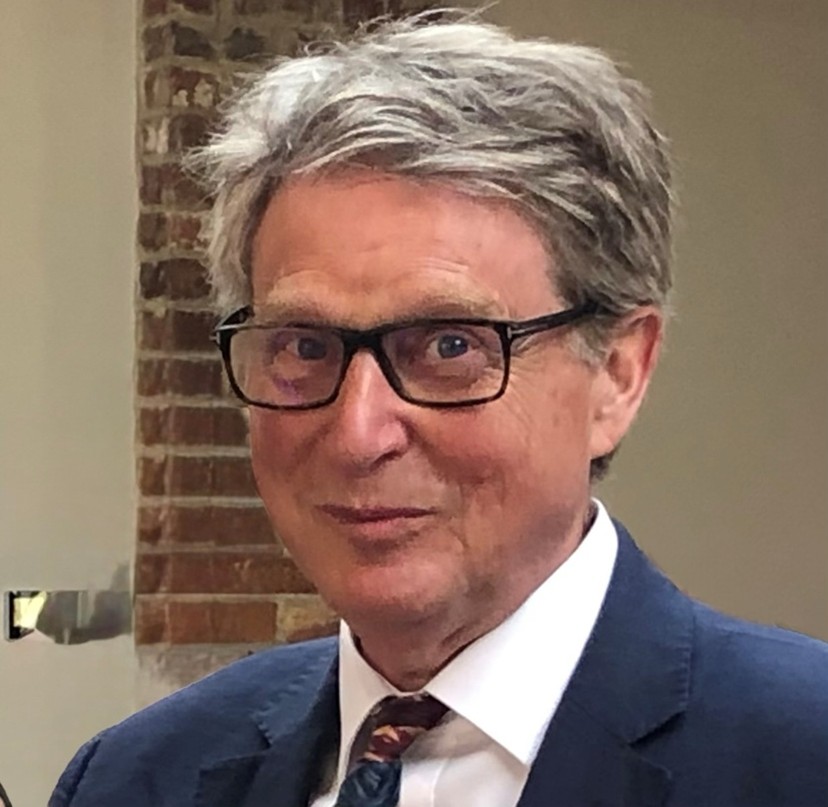
Peter Newborne
Peter Newborne is an independent researcher and consultant on water and environment. He spent the first decade of his career as a lawyer in the City of London and Paris, engaged in construction and engineering, and banking, projects on behalf of corporate clients, before doing a postgraduate degree in international development. He worked for 8 years with WWF, based in the UK, contributing to natural resource projects in Mexico, principally. Thereafter, as Research Fellow and Associate to ODI for over 20 years, he carried out studies in French and Spanish-speaking countries in Africa and Latin America, as well as research in countries in Asia. Based on his legal background, he developed a specialty in how major companies behave as managers and ‘stewards’ of water. Latterly, his focus has moved to Europe, including the UK, where he looks at how urban and rural areas adapt to the risk of flood as well as the increased frequency of periods of intense dryness.
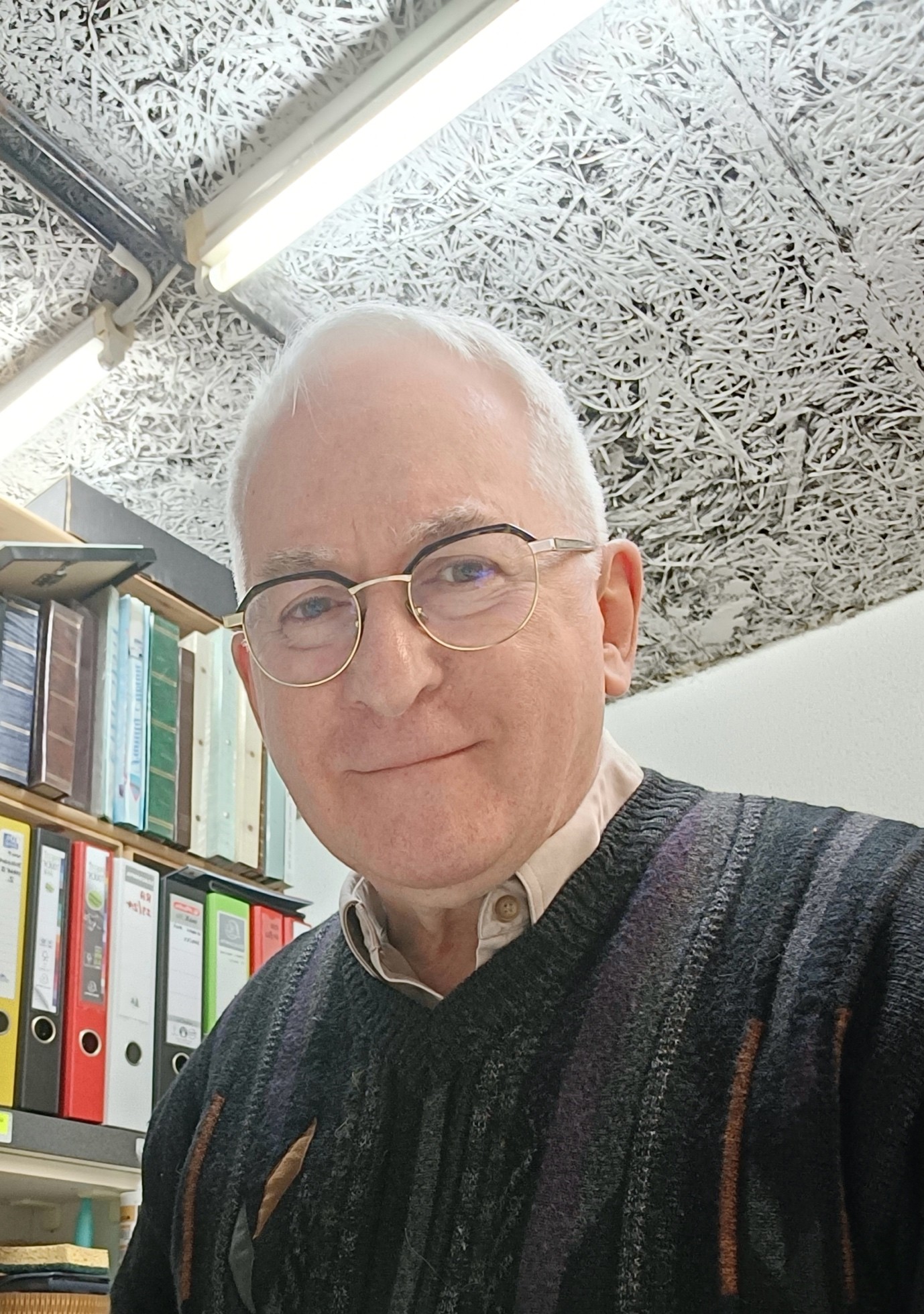
Phil Riddell
Phil Riddell has a Master’s Degree in irrigation and more than 50 years experience gained in almost 40 emerging or less developed countries. He is deeply commited to environmental sustainability; the wise use of water; social equity and socio-economic transformation. He has worked for Development Finance Institutions, UN agencies, sovereign governments, bi-lateral donors, NGOs and the private sector and at all levels from the grass roots, through national and river basin planning to advocative initiatives at the global level. Phil’s current foci concern water policy and water sector financing. He is currently leading the first two year’s implementation of the Egypt/EU Joint Declaration on Water Partnership and the Cambodia Irrigation Investment Assessment.
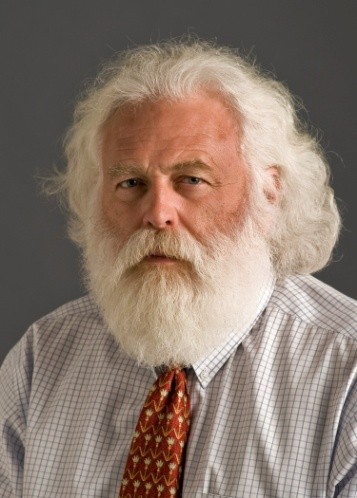
Stephen Lintner
Dr. Stephen Lintner is an independent consultant and former Senior Technical Adviser on Environmental and Social Safeguard Policies at the World Bank. He previously served at the World Bank in several roles, including Senior Technical Advisor and Advisor for Freshwater, Coastal and Marine Resources. He spent the last decade serving as Senior Environmental and Social Advisor at the Asian Infrastructure Investment Bank where he coordinated the development of its Environmental and Social Policy. He has extensive knowledge of management of freshwater, coastal and marine resources, leading or advising on programs and projects for many of the world’s major seas, lakes, and rivers. Over the course of his nearly 50-year career, Stephen has focused on the nexus of environment, infrastructure and water resources, and how they can best be managed through the development of policies and procedures, design of strategies and programs, and planning and implementation of projects. He has also served as a Visiting Professor of Geography at King’s College London. He holds a Ph.D. in Geography and Environmental Engineering from Johns Hopkins University (USA).
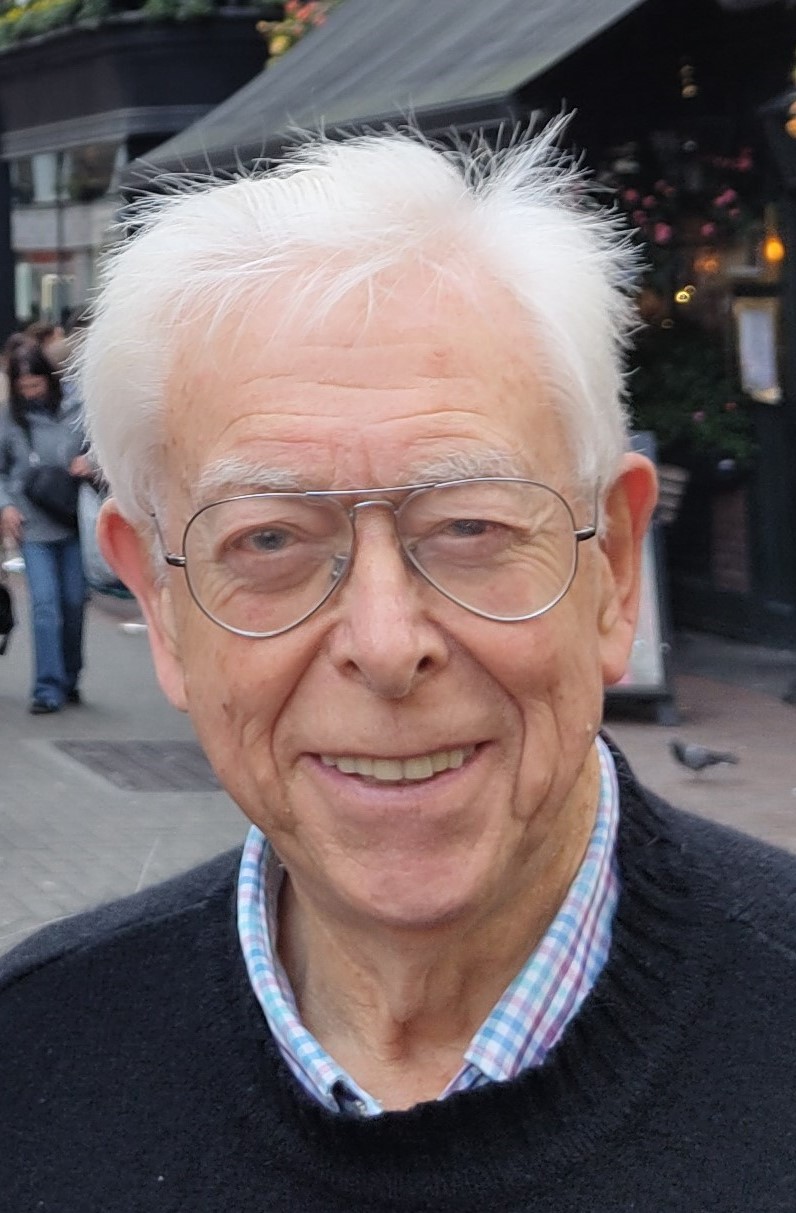
Tony Colman
Tony Colman is a water scholar whose academic career has developed since 2008. He completed his PhD at the University of East Anglia (UEA) in 2013. He has held a number of research affiliations, including Adjunct Research Scientist at Columbia University (2012–2019), Visiting Research Fellow at the University of Cape Town (2014–2024), Research Scholar at the Cambridge University Centre for the Study of the Networked/Middle? (CNMI should be confirmed) (2020–2025), and Research Associate at the UEA Water Security Research Centre / Tyndall Centre (2013–present). He also served as co-editor of the Oxford University Press Handbook on Water, Food and Society (2019) and has been a Research Associate at SecurityWomen since 2015. Before entering academia, he had a substantial career in business and politics. He was Director of the Burton Group from 1981 to 1990, Leader of the London Borough of Merton from 1991 to 1997, and Member of Parliament for Putney in the UK Parliament from 1997 to 2005.
Secretaries
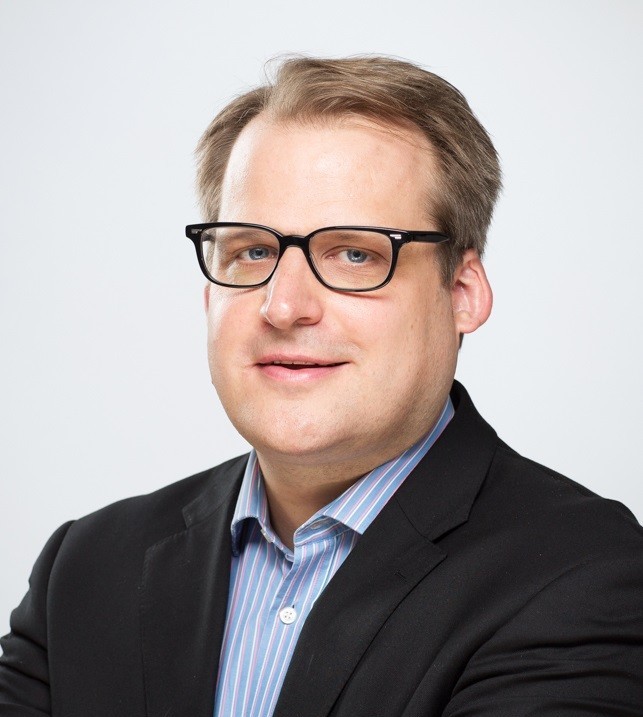
Martin Keulertz
Martin Keulertz is a political economist specialising in water governance, food security, and the political economy of natural resources. He is currently an Assistant Professor at the American University of Beirut, where he teaches and supervises graduate students on topics including environmental policy, food security, and the water–energy–food (WEF) nexus. Martin combines international fieldwork experience in the US, Europe, West Asia and North Africa as well as Sub-Sahara Africa with an extensive publication record, contributing to global debates on food and water security, sustainable development, and the geopolitics of resources. Find his monthly column on contemporary issues in food and water security at: https://www.agbi.com/author/martinkeulertz/
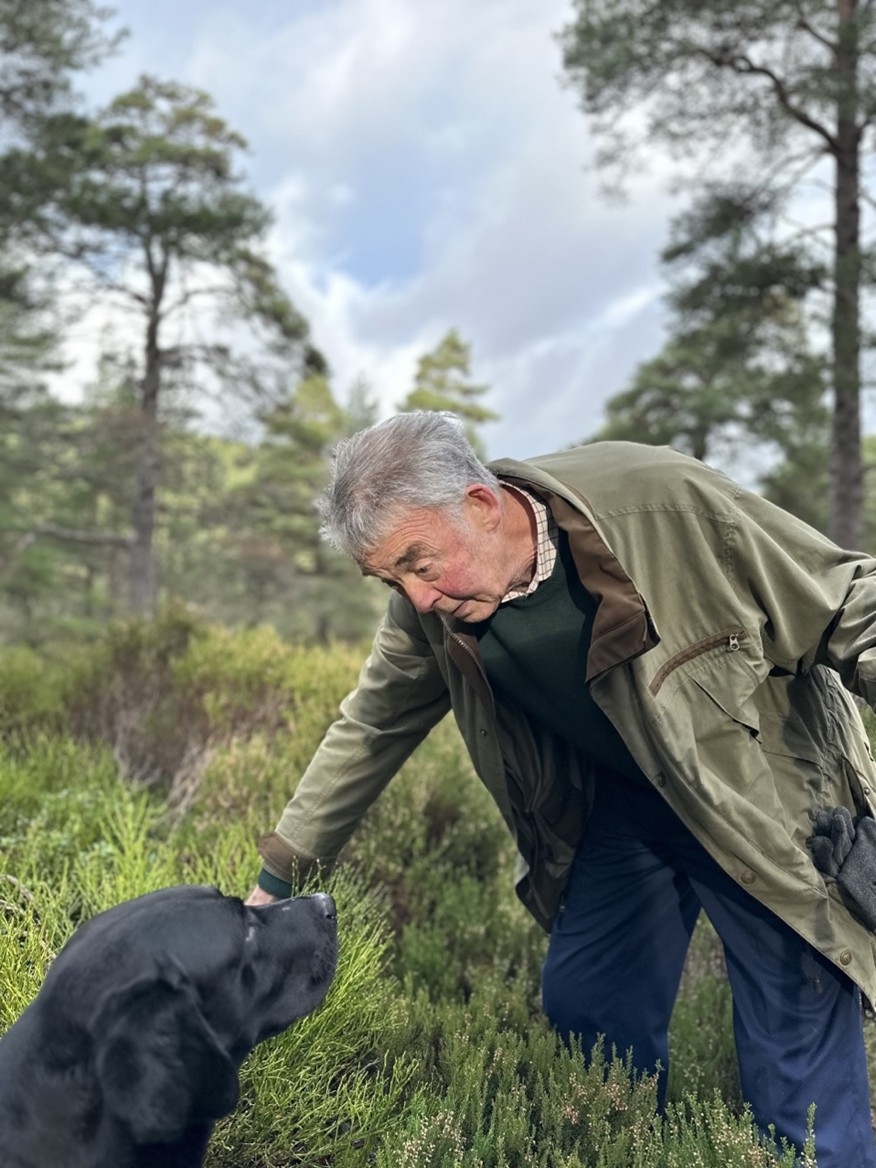
David Dent
David Dent has worked at the exposed frontiers of soil science and land use planning in every continent - embracing acid sulphate soils, salinity, innovation in practical applications of airborne geophysics and satellite remote sensing, and advocacy at the science–policy interface. His career spans soil survey, university teaching, research and advice to companies, governments and international organizations. He was awarded the Australia Day Centenary Medallion for scientific contributions to the National Action Plan for Salinity and Water Quality. Latterly Director of ISRIC – World Soil Information, since 2009 he is a Fellow of Lund University Centre for Sustainability Studies. He resides on his farm in Norfolk with his dog Harry.
Scientific Advisory Board
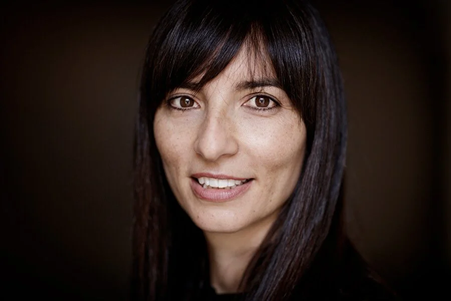
Angela Morelli
Angela Morelli is an award-winning Italian information designer based in Norway. She is the CEO and co-founder of InfoDesignLab. From climate change to health, she has worked with a wide range of scientific organisations and professionals including the Intergovernmental Panel on Climate Change (IPCC), the European Environment Agency, the Norwegian Institute of Public Health, the Center for Climate Research in Norway and the World Meteorological Organization. Her goal is to co-design engaging solutions that empower audiences and support informed decision-making. Angela gained her MA in Information Design from Central Saint Martins in London, having previously obtained a BA degree in Engineering from Politecnico di Milano and an MA in Industrial Design. She is an acclaimed international speaker and has regularly taught at the Oslo School of Architecture and Design, at the Oslo MET University, BI Norwegian Business School and at Central Saint Martins University in London. She has been jury member of the International Institute of Information Design Award and was awarded the Il Monito del Giardino Award in 2013 along with philanthropist Paul Polak, primatologist Jane Goodall, water scientist Tony Allan and other individuals committed to defending planetary ecosystems. Angela was named a 2012 Young Global Leader by the World Economic Forum thanks to her commitment in communicating the science of Water Footprint through information design and data visualisation.
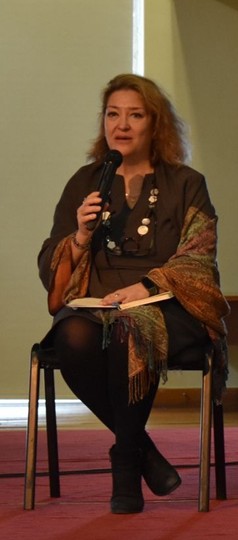
Anthi Brouma
Anthi Brouma, a political scientist by education, specialised through her postgraduate and doctorate studies on global development issues and water policy. She completed her Ph.D. at the School of Oriental and African Studies (SOAS), University of London, under the supervision of Prof. J.A. Allan, on the theme of water governance and policy networks in areas under conflict. Prior to joining GWP-Med in 2006, Anthi worked for three years as a lecturer at SOAS, University of London, and two years as a freelancer water expert in Madrid, Spain. As the Deputy Regional Coordinator at the Global Water Partnership – Mediterranean (GWP-Med), she has been leading the organisation’s work in the Middle East and North Africa (ΜΕΝΑ) region, she has led/managed and serviced more than 17 regional projects funded by multilateral (EU, UN, GEF, AfDB), and since 2019 has been the focal point for Diversity/Gender+. With more than 25 years of professional and academic experience, Anthi has worked on water governance, policy and financing, and natural resources management at national, regional, sub-regional and transboundary levels in the Mediterranean within UfM, EU, UN (UNEP/MAP, UNECE, ESCWA, UNDP), IFIs (EIB, EBRD, WB, AfDB), donors (Sida, SDC) and OECD frameworks.
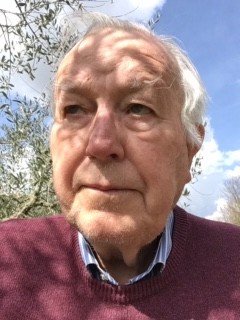
Brian Chatterton
Brian Chatterton went to a kindergarten in India, a school in Australia, a university in Britain and now grows olives in Italy. After graduating he farmed sheep, wheat, vines and made wine in a part of South Australia with soils and climate similar to northern Tunisia. He was elected to the South Australian parliament and became Minister of Agriculture, Fisheries and Forests. As Minister he established farming projects in Iraq, Jordan, Libya and Algeria. Later he worked as a consultant to FAO, IFAD, UNEP and national governments in North Africa on rainfed agriculture and water policy in Iran. He is joint author with Lynne Chatterton of sustainable dryland farming CUP 1996.

Dale Whittington
Dale Whittington is a Professor in the Departments of Environmental Sciences & Engineering and City & Regional Planning at the University of North Carolina at Chapel Hill; a Visiting Scholar at the Oxford Martin School, Oxford University; and a Research Affiliate in the Department of Urban Studies and Planning, Massachusetts Institute of Technology. From 2007-2021, he was a part-time Professor at the University of Manchester (UK). He is the author of over 200 journal articles, book chapters, consultant reports, and other publications, including (with Prof. Duncan MacRae) a graduate textbook on public policy analysis, Expert Advice for Policy Choice. In 2021, Prof. Whittington was the President of the Society for Benefit Cost Analysis. Since 2014, Prof. Whittington and Dr. Duncan Thomas have offered the two-part Massive Open Online Course (MOOC), “Water Supply and Sanitation Policy in Developing Countries” on the COURSERA platform. Over 40,000 students have participated from 184 countries
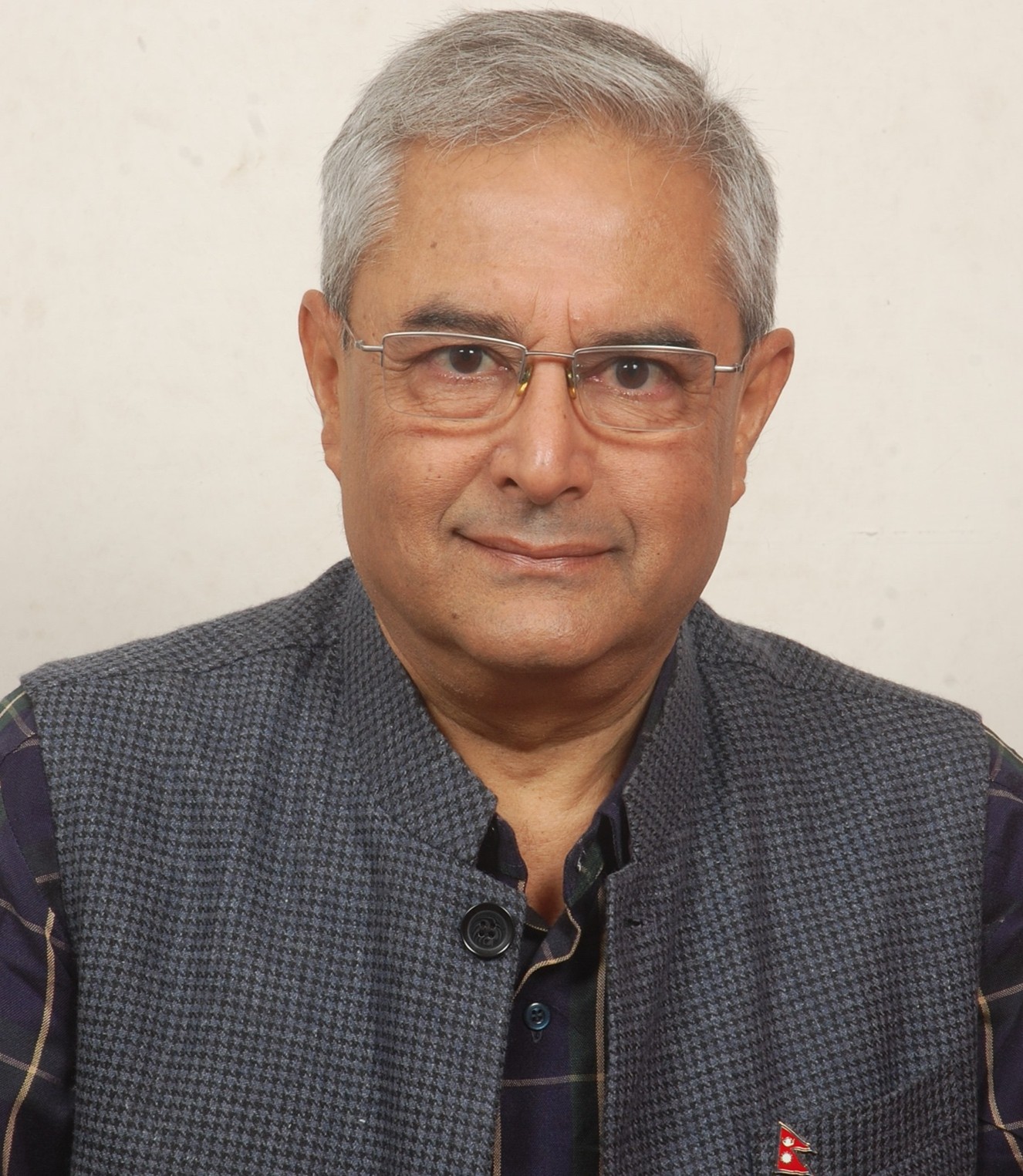
Dipak Gyawali
Dipak Gyawali, Pragya (Academician) of Nepal Academy of Science and Technology, is Chair of Inter Disciplinary Analysts (IDA) and former Chair of Nepal Water Conservation Foundation. His research interests lie at the interdisciplinary interface of technology-society-natural resources which he examines from perspectives of Cultural Theory. A hydroelectric power engineer (Moscow Energy Institute) and a political economist (UC Berkeley, California), he served as Nepal’s Minister of Water Resources when he initiated community electricity as well as farmers’ say in irrigation management. He has chaired or served in advisory boards and review missions of various international organizations including EU’s water research review between FP4 to FP6, UNESCO’s World Water Assessment Program and its International Hydrological Program IHP-6, UNESCO IHE-Delft institute, Coca Cola’s international environmental advisory board, US Pacific Northwest National Lab's study of Human Choice and Climate Change, Myanmar’s Ayeyarwady IRBM, Mekong River Commission, World Bank’s Inspection Panel, Stockholm International Water Institute, UNESCO’s World Water Assessment Program and IDS Sussex’s STEPs Center. He has been a guest senior research scholar at International Institute for Applied Systems Analysis (IIASA), Austria, as well as visiting scholar at UN University in Yokohama, Queen Elizabeth House in Oxford, and East-West Center in Hawaii. In Nepal, he has been advisor to National Association of Community Electricity Users, Biogas Program, Federation of Community Irrigation Users, as well as founding chair of the liberal arts college, Nepa School of Social Sciences and Humanities. His latest publications include Aid, Technology and Development as well as Water-Energy-Food Nexus, both from Routledge, UK. His regular columns appear in Spotlight Nepal, Nepali Times as well as in many YouTube channels.
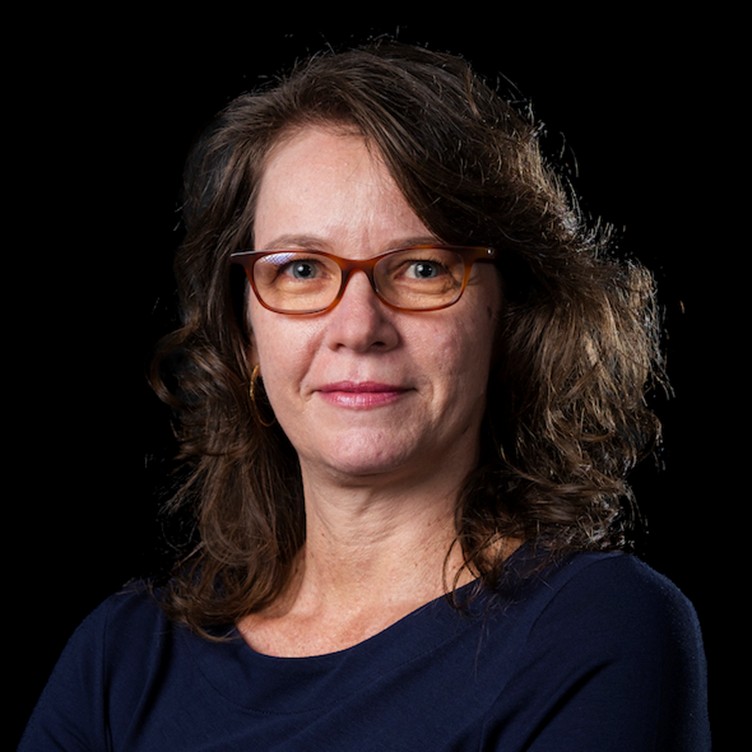
Vanessa Empinotti
Vanessa Empinotti, Ph.D., is an Associate Professor of Rural Planning and Policy at the Federal University of ABC (UFABC), Brazil. Working from a Political Ecology perspective informed by feminist and gender studies, she focuses on rural–urban relations, environmental justice, and the production of nature. Her current work explores water insecurity, hydrosocial territories, the financialization of nature, environmental markets, and nature-based solutions. Over the past 20 years, she has been involved in international research collaborations, including BIO-JUST (Biodiversa+/CNPq), FinPlanet (ANR/FAPESP), and the Household Water Insecurity Experiences Network (HWISE). She holds a PhD in Geography from the University of Colorado Boulder, USA, an MSc in Soil Science from the Federal University of Rio Grande do Sul, and a BSc in Agronomy from the Federal University of Paraná, Brazil.